How today’s top epigenetic, glycan, and genomic clocks actually work,and how to choose the right one.
If you take three different biological age tests, you’ll likely get three different results. One might say you’re aging fast, another says you’re stable, and a third shows your immune system age is higher. This isn’t a mistake. Each test measures a different layer of aging through DNA methylation, immune glycans, or genetic risk models.
📱 The best epigenetic age test 2026 depends on what you want to track: your pace of aging, your inflammation load, or your genetic risk map. This guide explains what each major test measures, why these differences matter, and how people use the data to improve sleep, lifestyle, supplements, hormones, and long-term health.
Key Takeaways
- Epigenetic clocks (TruAge, The DNA Company) measure DNA methylation and reveal pace of aging.
- GlycanAge tracks IgG glycans, one of the best markers of systemic inflammation.
- Nucleus sequences your entire genome to assess lifelong risk, not current biological age.
- The best epigenetic age test depends on what you want: precision, inflammation tracking, or deep genetic insight.
- These tools help you see how sleep, stress, training, diet, and hormones actually shift your biology in months, not years.
What Scientists Are Actually Measuring
Epigenetic Methylation (TruAge, The DNA Company)
🧪 Epigenetic clocks analyze DNA methylation, tiny chemical markers that switch genes on or off. When these patterns drift, they predict mortality, disease risk, and functional decline.
Why it matters:
Methylation clocks are the most validated way to estimate biological age and pace of aging. They’re sensitive to lifestyle changes like sleep, exercise, nutrition, and stress management.
Immune Glycans (GlycanAge)
🔥 GlycanAge measures sugar structures attached to IgG antibodies. These glycans shift in response to chronic inflammation, stress, menopause, overtraining, and recovery.
Why it matters:
Your immune system ages faster than many other tissues. This test shows how inflammation and stress are rewriting your biology in ways methylation clocks don’t always catch.
Whole-Genome Longevity Risk (Nucleus)
🧬 Nucleus sequences your entire genome (30× depth) and uses polygenic scores to predict long-term risk for hundreds of conditions, plus your expected odds of living past 80.
Why it matters:
This is not an epigenetic age test. It’s a lifetime genetic blueprint that helps explain vulnerabilities you were born with — useful for prevention planning, not for tracking short-term interventions.
What Each Test Offers (And Who It’s Best For)
TruAge (TruDiagnostic): Best Overall Epigenetic Precision
📊 TruAge analyzes ~950,000 DNA methylation sites, one of the highest-resolution clocks available. It reports:
- Biological age (OMICmAge)
- DunedinPACE (your pace of aging per year)
- 11 organ-specific ages (heart, liver, brain, etc.)
- Telomere length
- Lifestyle risk signatures (smoking, alcohol, pollution)
💡 Best for: People who want the most complete picture of how fast they’re aging, organ by organ.
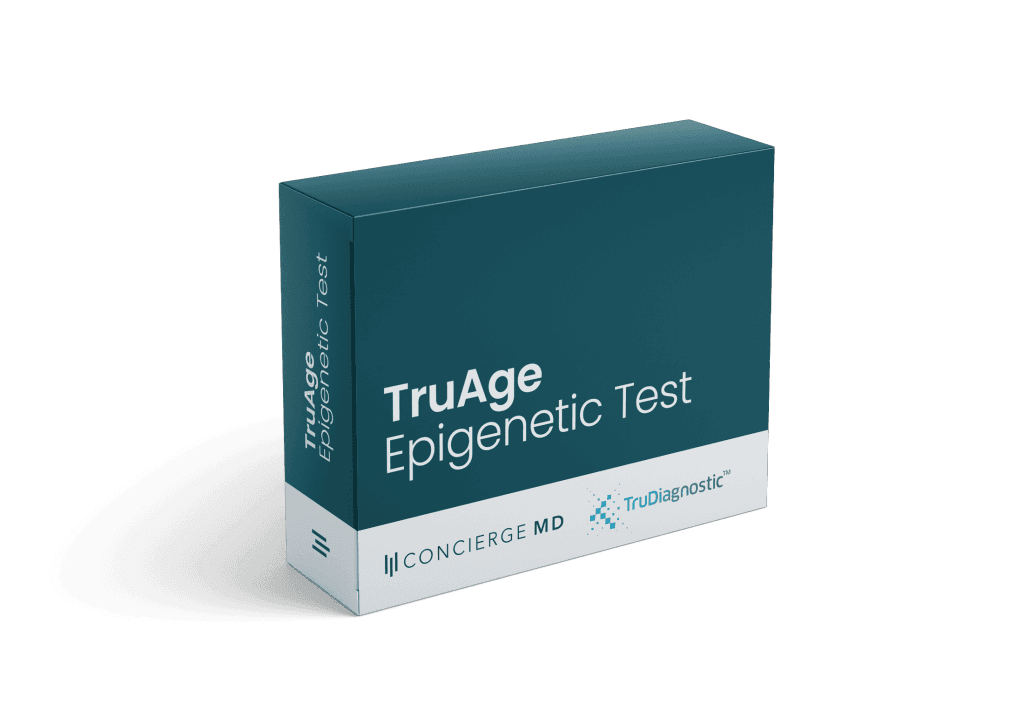
🔻 TruAge Discount
12% Off — Code: TRUINSIDER12
Use at checkout for any TruAge test.
GlycanAge: Best for Inflammation & Immune Aging
🌡 GlycanAge doesn’t measure methylation at all — and that’s its strength. IgG glycans shift quickly with:
- Sleep quality
- Stress load
- Menopause & HRT
- Training volume
- Diet & recovery patterns
It’s one of the fastest-responding biological age markers available.
💡 Best for: Anyone tracking stress, inflammation, recovery, or hormone-related aging.
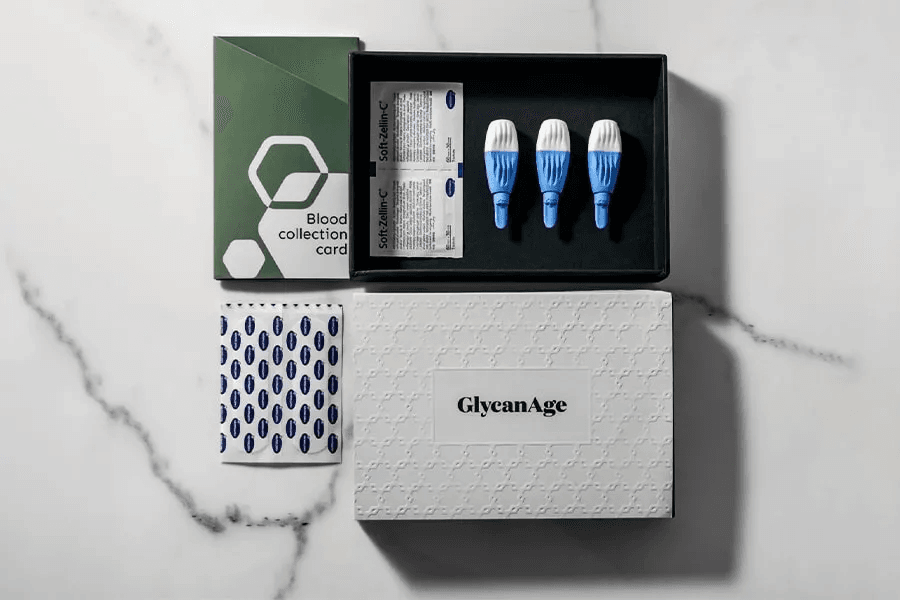
🔻 GlycanAge Discount
10% Off — Code: DAILYBIOHACKING
The DNA Company (DNAging): Best for Deep Genetics + Methylation
🧠 This test blends:
- Genetic trait analysis (detox, hormones, sleep, cognition)
- Methylation-based biological age
- Telomere projections
- A one-on-one expert consultation
It’s less of a “pure” clock and more of a functional genomics roadmap.
💡 Best for: People who want coaching and personalized interpretation, not just data.

🔻 The DNA Company Discount
10% Off — Code: SIMPLYANTIAGING
Nucleus: Best for Whole-Genome Longevity Risk
🔬 Instead of reading how you’re aging right now, Nucleus maps:
- Polygenic disease risk
- Longevity odds
- Pharmacogenomics
- Trait predictions
- Reproductive longevity (IVF-use optional)
It’s a genetic forecast, not an epigenetic score.
💡 Best for: Long-term prevention, family planning, or understanding your lifetime risk landscape.

How These Tests Fit Together
🧩 Most longevity-focused users now run at least two tests:
- One epigenetic clock (TruAge or DNAging)
- One inflammation clock (GlycanAge)
And some add Nucleus once to establish their lifetime genetic map.
This combination reveals:
- How fast you’re aging
- Which organs are drifting
- Whether inflammation is accelerating the process
- What risks you were born with
It’s the closest you can get in 2026 to a full “digital twin” of your aging biology.
What Remains Uncertain
🤔 These tests are powerful, but they’re not magic:
- They can disagree because they read different tissues.
- They don’t guarantee you’ll gain or lose specific years.
- Organ ages are estimations, not clinical diagnoses.
- Small early studies exaggerate the speed of “age reversal.”
Still, the trend is clear: these tools give you feedback loops months before symptoms or labs shift.
How to Use Results Safely
🧩 Instead of reacting to one number, focus on direction:
- Is your pace of aging slowing?
- Is your inflammation trending down?
- Are organ-specific scores stabilizing?
Practical changes that reliably improve epigenetic age include:
- 7–8 hours of consistent sleep
- Zone 2 + strength training
- Stress-reduction habits
- Whole-food diet pattern
- Avoiding ultra-late meals
- Minimizing chronic stimulants
- Managing metabolic markers
The goal is course-correction, not perfection.
Epigenetic Age Tests Comparison Table (2026)
Pick your test. Start measuring real change.
Choose the best fit for your goals — from ultra-precise epigenetic clocks to immune-age and full-genome longevity insights.
The strongest single test if you want one kit that does it all: biological age, pace of aging and organ-by-organ aging in clinical-level detail.
- 3rd-generation methylation clocks, including DunedinPACE and organ ages.
- Shows how fast you’re aging right now – and where to focus next.

Designed for people already on NOVOS supplements who want a slick, app-connected way to prove their stack is slowing aging.
- Advanced methylation clocks with a clean, ~55-page report.
- Syncs with NOVOS to refine your longevity protocol over time.
If you want to see how stress, training, menopause or HRT are really hitting your immune system, this is the fastest-responding test.
- IgG glycan profiling – one of the sharpest tools for immune age.
- Great for 3–6 month experiments to track lifestyle and recovery changes.

Perfect if you want someone to walk you through everything – DNA, epigenetic age and clear next steps in a live consult.
- Deep trait panel (sleep, detox, hormones, cognition) plus aging markers.
- Includes 1:1 coaching so you leave with a concrete game plan.

Run this once for a full-genome map of disease and longevity risk, then use epigenetic tests to track your progress over time.
- 30× whole-genome sequencing with detailed risk scores.
- Ideal add-on to TruAge or NOVOS if you’re planning long-term prevention.
Final Verdict: The Best Epigenetic Age Tests of 2026
🏆 Best Epigenetic Test Overall:
TruAge — unmatched depth, organ clocks, and pace of aging.
🔥 Best for Immune/Inflammatory Aging:
GlycanAge — fast feedback, great for stress and recovery.
🧠 Best for Genetics + Actionable Coaching:
The DNA Company (DNAging) — combines DNA, methylation, and guidance.
🔬 Best Long-Term Longevity Risk Insight:
Nucleus — whole-genome sequencing + lifespan predictions.
If you want the most complete picture, combine TruAge + GlycanAge, then run Nucleus once for long-term risk context.
Created by SimplyAntiAging.com’s Editorial Research Team
Reviewed and updated for accuracy in January 2026.